How Childcare Directors Can See What Needs Attention (Program Leadership & Insight)
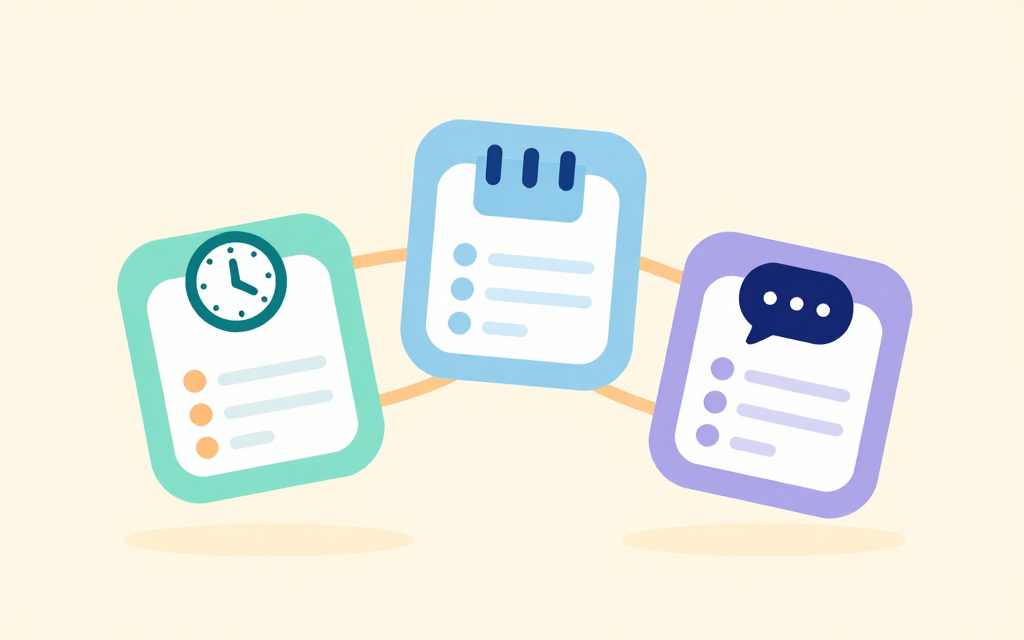
Running a childcare program gets harder the more places the information lives. A director who wants to know what needs attention this week is often forced to review each source separately: one classroom's data here, a file over there, a message stream somewhere else. The information is not missing — it is just not connected, so the leader has to reconstruct the picture every time.
This article is about changing that. It covers what 'insight' actually means for a program leader, how to build a program-level view instead of a stack of tabs, how to distinguish useful reporting from decision-making, and how a connected platform makes the information you already have more useful.
What 'insight' means for a program leader
Insight is often described as 'the data dashboard,' but that undersells it. A dashboard tells you numbers; insight is the ability to see what needs attention and act on it. The difference matters, because a program can be full of data and still feel out of control if the leader cannot quickly tell what is going well, what is drifting, and what needs a decision.
A useful definition: insight is program-level visibility plus the ability to turn that visibility into next steps. It is what lets a director move from 'let me review each thing' to 'here is what I need to do this week.'
The program-level view a director actually wants
Ask a director what they wish they could see in one screen, and the answer is usually the same set.
- What needs attention right now — incomplete files, overdue items, unresolved follow-ups.
- Trends and patterns — what is recurring across classrooms or over time.
- Capacity and staffing — where the pressure points are.
- Family and program health — communication, engagement, and the things that affect retention and trust.
- Compliance status — what is complete, what is due, and what is at risk.
Turning visibility into follow-through
A view is only useful if it leads to action. The difference between a director who can act and one who is overwhelmed is not the amount of information — it is whether the information is organized around the question of what to do next. A useful program view ranks what needs attention, groups related items, and makes the next step obvious rather than forcing the leader to reconstruct a to-do list from scratch.
This is also where connected data pays off: when the same record supports enrollment, health, operations, and communication, the leadership view does not need to pull from six sources to answer one question. The answer is already there, in one organized place.
Reporting is one part, not the whole
Reporting is valuable, but it is a symptom, not the goal. A program that produces a lot of reports can still be blind to the thing that actually needs attention. The goal is not to collect more data; it is to make the information you already have more useful.
The practical test: after the director has looked at the view, can they name three things to do? If the answer is 'yes,' the view is working. If the answer is 'I now have more numbers to read,' the view is reporting, not insight.
How to build the view instead of assembling it
The program-level view is hard to build when the underlying data is disconnected, because the leader has to assemble it. It becomes easy when the data is connected, because the view is a matter of organizing what is already there rather than reconstructing it.
This is the core idea behind a connected platform: enrollment, health, operations, communication, and oversight all draw from the same records, so a change in one area is reflected in the leadership view. The director does not have to know where each fact lives; they have to know what it means.
Keeping decisions with the people who own them
A real insight tool does not make decisions for the leader. It organizes information and makes patterns easier to see, so the people responsible for the program can act with more confidence. The judgment — who to call, what to change, what to prioritize — stays with the director.
Grow Together is built around this idea. Insight & Leadership is one connected area: program leaders see important information across their program instead of reviewing each source separately, and the purpose is to make existing information more useful so they can identify needs, follow up more consistently, and make informed decisions. It organizes and clarifies; it does not replace the people responsible for the program.
See the whole program, not six separate reviews
Grow Together gives program leaders a clearer view of what is happening across their program and what may need attention next — so oversight is about acting, not just reviewing.
Frequently asked questions
Answers to the questions people ask while searching for this topic.
It refers to tools that help program leaders see important information across their program instead of reviewing each source separately. The goal is program-level visibility that turns into useful next steps, not just reporting.
No. Reporting can be one part of it, but the larger goal is to help leaders recognize what needs attention and turn information into useful next steps. A useful view lets a director name three things to do; a report just gives more numbers to read.
It is primarily designed for people responsible for program oversight — directors, administrators, owners, or other authorized leaders. Access is based on role and permissions.
No. A platform can organize information and make patterns easier to see, but decisions remain with the people responsible for the program.
Keep exploring
What to Look for in Childcare Management Software (2026 Buyer's Guide)
The real questions a program should ask before adopting childcare management software — and why a connected platform beats six disconnected tools.
Read guideEnrollmentHow to Simplify Your Childcare Enrollment Process (and Digitize Child Files)
What a streamlined childcare enrollment process looks like, why digital child files reduce rework, and how to know what's complete and what's still needed.
Read guideComplianceHow to Keep Your Daycare Compliance Checklist Organized (Health & Safety Records)
A practical framework for daycare compliance: the document categories to track, how to make gaps visible early, and how a connected platform keeps health records organized.
Read guide